
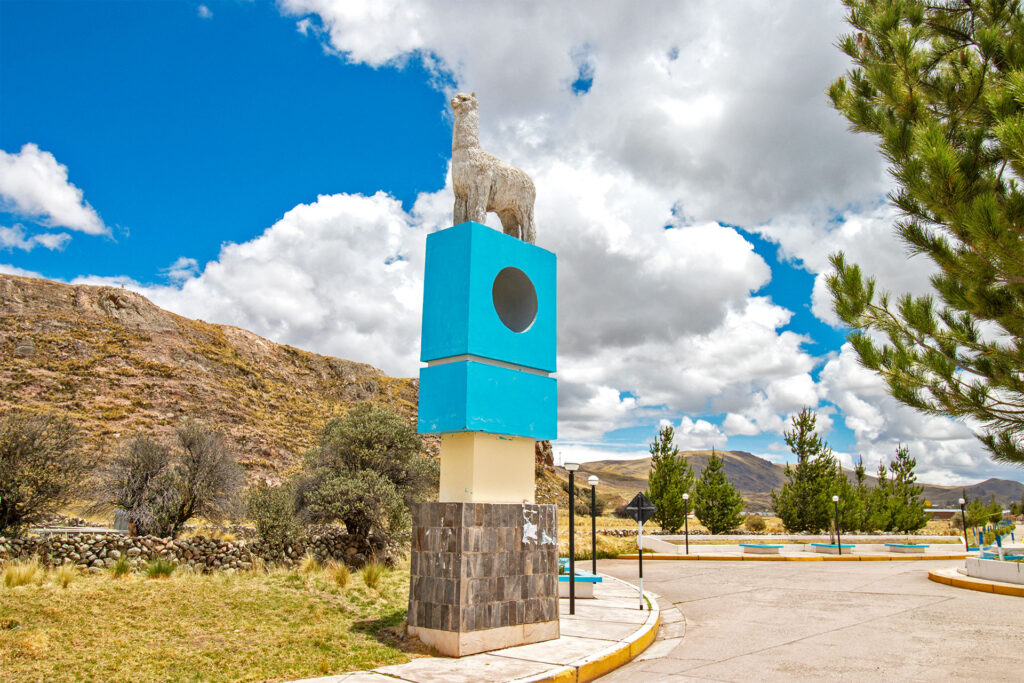
History Of The Nuñoa District
According to the information gathered, Ñuñoa comes from the name of a medicinal plant that grows abundantly in the district called "ñuñu ñuñu." The history of the Ñuñoa district dates back to the Pre-Inca era, as evidenced by the material remains and objects found in the citadel of Mauka Llajta and other sites in Panti-Cancha and America, where an incipient cultural center, descended from the Pukaras (fortified settlements), may have developed.
These inhabitants are known as Cujllu Runas, Ayaj Llatan, Gentil Huasi, and Pu-cullos (Little Men). Mauka Llajta (Old Town) is located 15 km from the city of Ñuñoa, on the former Kajsili estate, situated on the eastern branch of the Vilcanota mountain range, part of the Warqachuri and Jatun Pucara sub-ranges. In the 1430s, the Inca Pachacuti reaffirmed the conquest of Nuñoa and other towns of the highlands. During the Viceroyalty, the political and ecclesiastical establishment of the town of Nuñoa followed the plan of Viceroy Francisco de Toledo, who decreed that all established and future towns should have a patron saint. Thus, in April 1571, the superior canon of Lima granted an offering of gold and silver from the Minastira Mines, equivalent to 20 mule loads, to name and provide alms for the patron saint of Nuñoa.
In response to Nuñoa's request, on June 28, 1572, two saints, Saint Peter and Saint Paul, arrived on muleback. On the 29th, their images were carried in procession to bless the town, and the parishioners and the townspeople in general experienced a great joy of religious faith. The date was established by Decree and Recognition of Viceroy Francisco de Toledo. During the Emancipation period, in 1780, following the execution of José Gabriel Condorcanqui Túpac Amaru, the fight for freedom spread throughout the Altiplano region. The movement's fervor was felt in Nuñoa, under the control of the Nuñoa chief Huamán Tapara, who organized his army with a column of 1,000 men. The entire force, from the officers to the last man, was cavalry; they encamped on the Kajsili crag. On May 6, 1782, the Battle of Nuñoa took place, where the rebels launched a bloody attack. Exhausted by the roar and projectiles of the cannons, Huamán Tapara's army was finally defeated. The people of Nuñoa died for the cause of freedom and justice. Huamán Tapara should be declared a National Hero for his heroic participation in the independence of Peru and America.
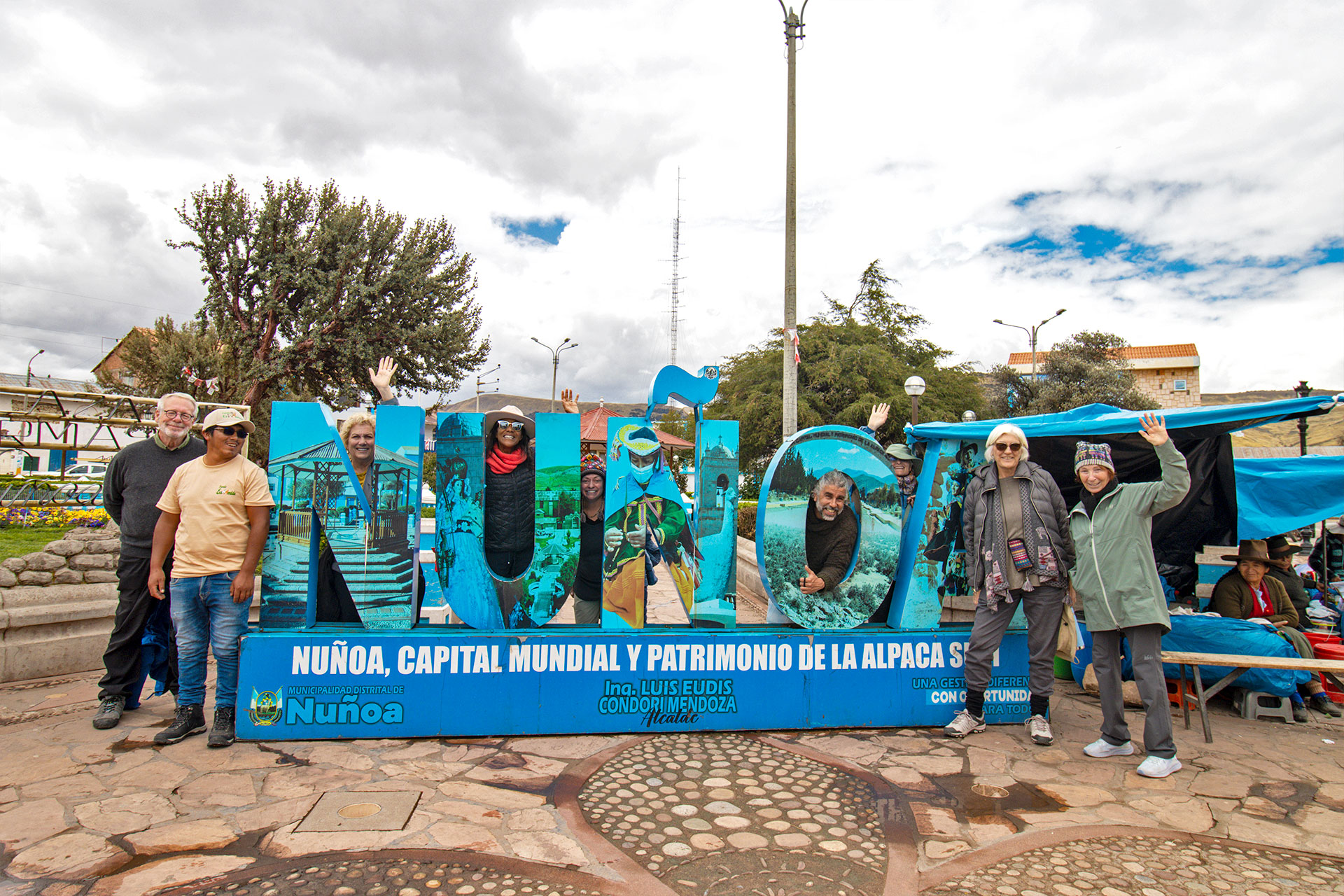
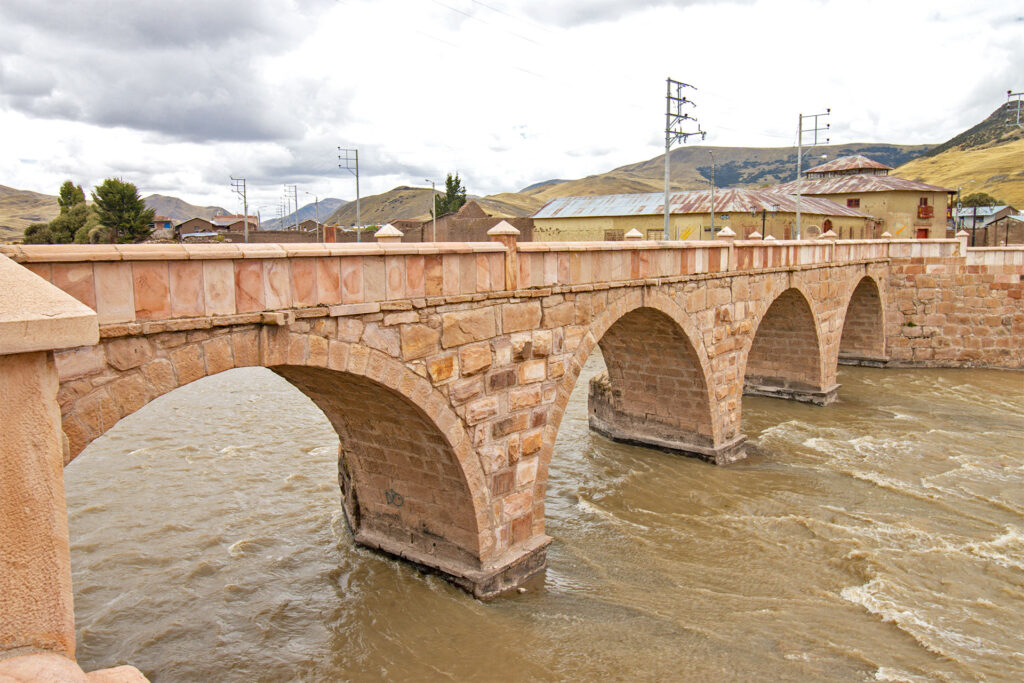
During the Republican era, in 1823, the political demarcation of Peru was ordered, bringing about substantial changes. Intendancies were transformed into departments, partidos into provinces, and parishes, sub-parishes, and hamlets into districts. On October 12, 1853, the Congress of the Republic issued the title of "Heroic Town" by supreme mandate of the liberator, Simón Bolívar. This date is considered the founding and political creation of the district of Nuñoa; subsequently, the political demarcation of the district of Nuñoa was considered and implemented in 1857.
Latest News more Information
- Hacienda Esmeralda From Cusco: 6–7 hours by road.
- From Juliaca: 2.5 hours.
- From Ayaviri: 45 minutes